
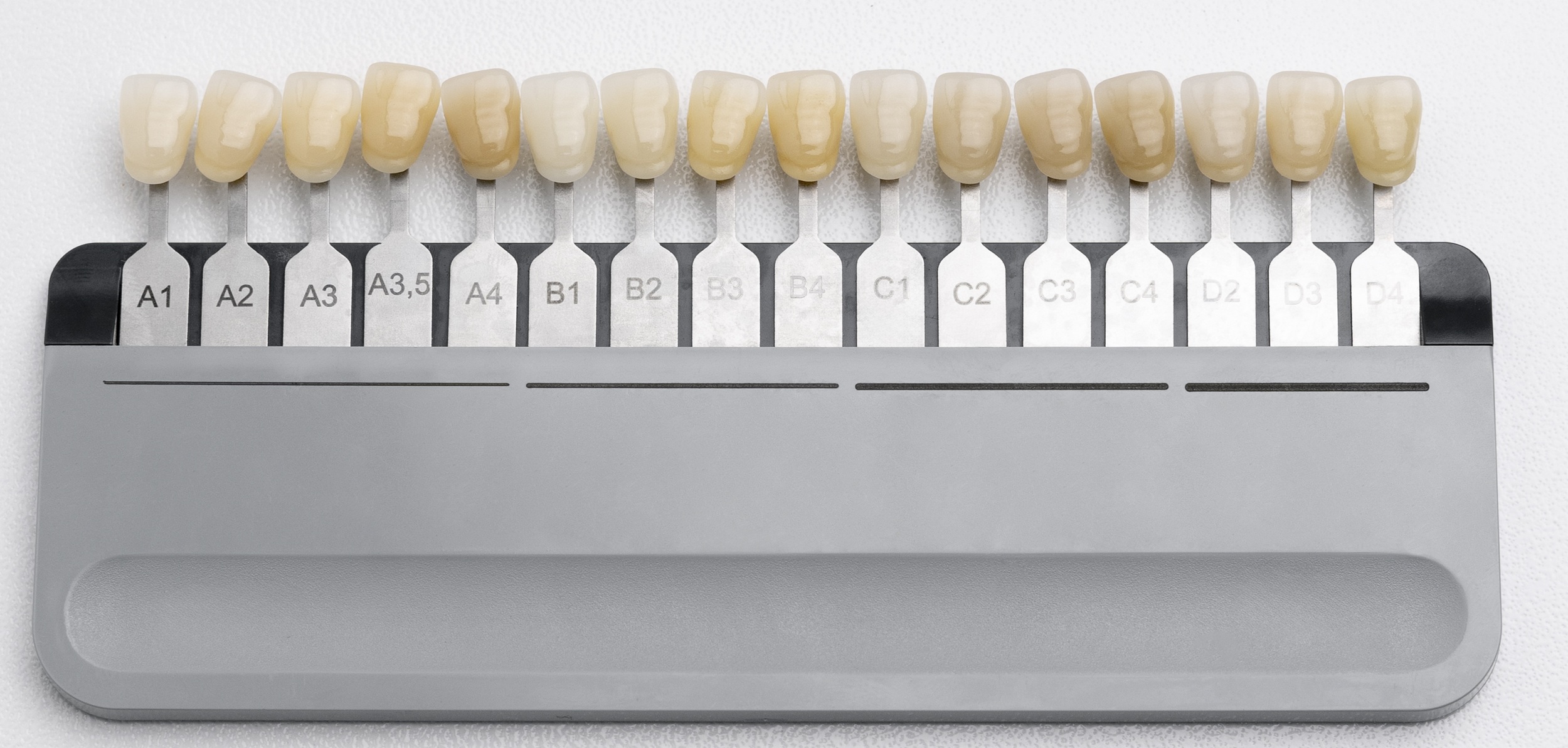
A bright, beautiful smile is something most of us desire and can boost self-esteem and quality of life; hence the popularity of whitening treatments. But with so many whitening products available, it can be difficult to decide.
The effectiveness of any whitening method depends on understanding what causes tooth discoloration and how different treatments target those stains. All whitening systems work on a fundamental principle: they either physically remove stains or chemically ‘bleach’ them.
Extrinsic stains are surface stains that sit on the outer layer of your tooth enamel and are typically caused by coffee, tea, wine, tobacco, and other pigmented substances when consumed daily.
Physical whitening methods work wonderfully for these stains because they can literally be “scratched off” through abrasive action. These can even be polished off in a dental office using a polishing bur or air abrasion techniques. The advantage in treating extrinsic stains is that multiple approaches can be effective.
Intrinsic stains present a different challenge altogether. These discolorations exist within the tooth structure itself, often in the dentin layer beneath the enamel. Common causes include certain medications, trauma to the tooth, or most commonly, the natural aging process.
Since these stains aren’t on the surface, you can’t simply “scratch them off”. Instead, chemical methods are required – these use a bleaching agent, primarily hydrogen peroxide, that can penetrate the tooth structure.
Whitening Toothpastes
Most whitening toothpastes are primarily physical whitening agents that work through increased abrasiveness. They can help remove extrinsic stains and are one of the most cost effective options available.
Whitening toothpastes formulated for daily use have a safe level of abrasion. However, some toothpastes measure higher than others on their RDA values (Relative Dentin Abrasion), which is how we compare them.
| RDA Range | Abrasion Category | Safety & Use Recommendations | Common Whitening Agents |
| 0–70 | Low abrasivity | Considered safe for daily use | Baking soda, nano-hydroxyapatite, calcium carbonate |
| 70–100 | Medium abrasivity | Generally safe for daily use, but long-term use may cause some wear, particularly when paired with hard-bristled toothbrushes | Hydrated silica (can also have lower RDA value based on composition) |
| 100–150 | High abrasivity | Potential for enamel and dentin wear with long-term use. Consider alternating with low-abrasive toothpastes or using only occasionally | Charcoal, harsh silica variants |
| 150–250 | Very high abrasivity | Not recommended for daily use or for individuals with sensitive teeth | Pumice |
However, there’s a trade-off to consider. The increased abrasiveness that makes them effective can also contribute to tooth sensitivity, especially with prolonged use. When used as directed, they’re generally safe and can lighten teeth by about one to two shades. My recommendation is the Sensodyne Pronamel Gentle Whitening toothpaste. While it is not as effective at whitening teeth as other more abrasive toothpastes, the formulation can help maintain a white smile without exacerbating sensitivity in these patients.

Some whitening toothpastes may use low concentrations of hydrogen peroxide to whiten teeth. These can be more effective than other whitening toothpastes and combine physical whitening for a better effect but are also slightly more expensive.
Words of caution:
- Avoid charcoal toothpastes. Despite their popularity, they can often be quite abrasive and cause damage to your enamel without providing significant whitening benefits.
- Do not use whitening toothpaste if you have tooth sensitivity, gum recession, or enamel erosion.
At-Home Whitening Methods
Whitening Chewing Gum
Whitening gums are lightly abrasive and can help with minor surface stain removal, but results are minimal. They’re more of a maintenance tool than a primary whitening method. Also, the effect is not targeted and not consistent, depending on how you chew your gum.
Home Remedies
Baking soda (sodium bicarbonate) gets a cautious thumbs up. It’s mildly abrasive and can help remove surface stains when used occasionally. However, many other home remedies, particularly charcoal, should be avoided due to their unpredictable and often excessive abrasiveness.
The problem with DIY approaches is the variable amount of abrasiveness – you might literally be scratching away your enamel. Stick to commercial whitening toothpastes with formulated, safer levels of abrasiveness. My personal preference is not to use whitening toothpastes or a gentle whitening toothpaste for maintenance and stick to chemical whitening methods.
Whitening Strips
Now we’re getting into the more effective methods. Whitening strips use chemical whitening through peroxide-based gels, typically delivering results within several days to two weeks. They can generally lighten teeth by multiple shades and work well for most people.
They’re convenient, proven effective, and provide guided placement for more even application. However, they’re more expensive than whitening toothpastes but much less expensive than professional treatments. A good product I always like to recommend is the Oral-B Whitening Strips.
Whitening Pens and Gels
These products also rely on chemical whitening and can be quite effective. The key difference from strips is the application method. While pens offer precise, targeted application and ultimate portability, strips provide better coverage and guided placement of the whitening gel.
For busy lifestyles, pens can be more convenient since you don’t need the whitening strips on for an hour. However, whitening strips may provide more uniform results.
Professional Whitening Methods
Professional treatments represent the most expensive option, but there’s good reason for the cost difference. These methods use higher concentrations of bleaching agents that are not available to the public and will provide the best whitening results.
Same-Day In-Chair Whitening
Professional in-office treatments can lighten teeth significantly in just one 30-60 minute session. The procedure achieves rapid and effective results by using high-concentration peroxide gels.
However, this method can cause significant sensitivity and is the most expensive option, ranging anywhere from $500-1000+. I would only recommend this if whitening were required quickly, such as the day before a wedding.
Take-Home Professional Trays
This represents the best of both worlds – generally cheaper than same-day whitening (anywhere from $200-500) and uses a lower concentration of hydrogen peroxide over a longer time period, generally 14 days; resulting in less sensitivity. Custom-fitted trays ensure even application and reduce the risk of gum irritation while delivering results comparable to in-office treatments. Trays can be used either during the day or at night while you sleep, with different gel concentrations for either option.
Important Considerations
Risks and How to Avoid Them
Tooth sensitivity is the most common side effect of whitening treatments. It occurs when bleaching agents penetrate the enamel and temporarily irritate the tooth’s nerve. This sensitivity is usually temporary and resolves within a few days to a week.
To minimise sensitivity:
- Use sensitive toothpaste before and after professional treatment
- If you use whitening toothpastes, consider alternating with regular toothpaste
Gum irritation can occur when whitening agents contact soft tissues. Professional treatments minimise this risk through careful application and gum protection, while at-home users should wipe away excess product from gums immediately.
Here’s something many people don’t realize – whitening treatments don’t work on dental restorations like crowns, fillings, or veneers. If you have visible restorations, discuss this with your dentist before starting any whitening regimen to avoid uneven results.
How Long Do Results Last?
The longevity of whitening results depends heavily on the type of stains being treated and your lifestyle habits.
Extrinsic Stains: If you avoid stain-causing substances, results can last quite a while. Smoking, coffee, tea, and red wine consumption can affect longevity. It’s all about stain prevention, such as rinsing with water after drinking staining beverages like tea and coffee, avoiding smoking, and keeping up with oral hygiene.
Intrinsic Stains: Results tend to be more stable since these stains are within the tooth structure. However, maintenance treatments are still necessary in the future. Results can potentially last several years and then gradually decline. The benefit with professional take-home trays is that you can simply purchase the whitening gel for future maintenance treatments without paying for new trays.
Recommendations
- For professional whitening, take-home whitening trays offer the best effectiveness while minimising side effects. Trays can be reused for future whitening treatments.
- For whitening methods without a dentist, whitening strips are the gold standard. They use a lower concentration of hydrogen peroxide but are still effective.
- The best way to maintain results from whitening is stain prevention by rinsing after consuming stain-causing foods or drinks and brushing twice daily.